If you’ve ever planned a painting project in Squamish, BC, you might think any professional crew will accept the work. But reputable contractors sometimes walk away—and for good reason. Refusing a job isn’t about avoiding work; it’s about protecting clients from wasted money, unsafe conditions, and short-lived results.
Key Takeaways
In this guide, we’ll break down five risky red flags that made us refuse projects, what homeowners can learn from them, and how you can prepare so your next project moves forward without delays.
Red Flag #1 – Structural Damage or Unstable Surfaces
No matter how good the paint or how skilled the painter, coatings won’t adhere properly to surfaces that are already failing. When we encounter rotting fascia boards, crumbling stucco, or sagging drywall, the right choice is to stop.
Take the example of a client who asked us to “just paint over” rotted trim. While it might have looked acceptable for a few months, the rot would have continued underneath. Within a season, the paint would peel, water would seep deeper, and the repair costs would multiply.
Products that make a difference once repairs are done:
-
Minwax® Wood Filler – for patching small rotted sections.
-
Abatron® WoodEpox – an epoxy system that rebuilds damaged wood.
-
USG Sheetrock® Patch Panels – for interior drywall replacement.
Skipping repairs is like applying a bandage without treating the wound. A professional crew won’t risk their name or your investment by painting over problems that need carpentry or remediation first.
Red Flag #2 – Lead Paint or Hazardous Materials
Homes built before 1978 in Canada and the U.S. may contain lead-based paint. Federal law (EPA’s RRP Rule in the U.S.) requires contractors to use lead-safe practices when disturbing these surfaces. Even in Squamish, BC, reputable crews follow similar safety standards.
We once had a request to repaint a 1960s home with no lead testing. The client wanted a quick coat before selling. The risk was enormous: sanding or scraping could have released toxic dust. Not only would that endanger workers, but it could also contaminate the property.
Safe approaches include:
-
Testing before work begins.
-
Using HEPA-filtered vacuums during prep.
-
Applying encapsulating primers such as INSL-X Lead Block® to lock in old coatings.
Painting over suspected hazards without precautions is not an option. It puts families, painters, and future buyers at risk. Refusing these jobs is the only responsible move.

Red Flag #3 – Unrealistic Budgets or Demands for “Cheap Work”
Every homeowner has a budget. But sometimes we receive requests that simply aren’t feasible. A warehouse owner once asked us to cover 10,000 square feet with “just one quick coat of the cheapest paint.” That approach guarantees early failure—sometimes in as little as 12 to 24 months—compared to the 8–10 years you can expect from a properly executed job with premium products.
Here’s what we explained:
| Approach | Products | Typical Lifespan | Result |
|---|---|---|---|
| Budget Shortcut | Bargain paint, minimal prep | 1–2 years | Peeling, fading, no warranty |
| Professional Standard | Sherwin-Williams Duration®, Benjamin Moore Aura®, PPG UltraLast® | 8–10 years | Durable finish, full warranty |
Choosing bargain products might save money today, but it almost always doubles costs later when the job needs to be redone. Professional house painting companies in Squamish, BC are upfront about this: if the budget doesn’t allow for a job done right, the safest answer is to decline.
Red Flag #4 – Unsafe Work Conditions
Not every property is safe to paint as-is. Steep metal roofs, unstable scaffolding, or poorly ventilated interiors can make a project dangerous. Licensed contractors are required to follow OSHA (or WorkSafeBC) standards. Ignoring them isn’t just risky—it’s illegal.
One example was a request to repaint a three-story exterior with no scaffolding access and no safety anchors. The client even offered to “sign a waiver.” But a waiver doesn’t remove liability, nor does it protect workers from injury.
Proper safety measures include:
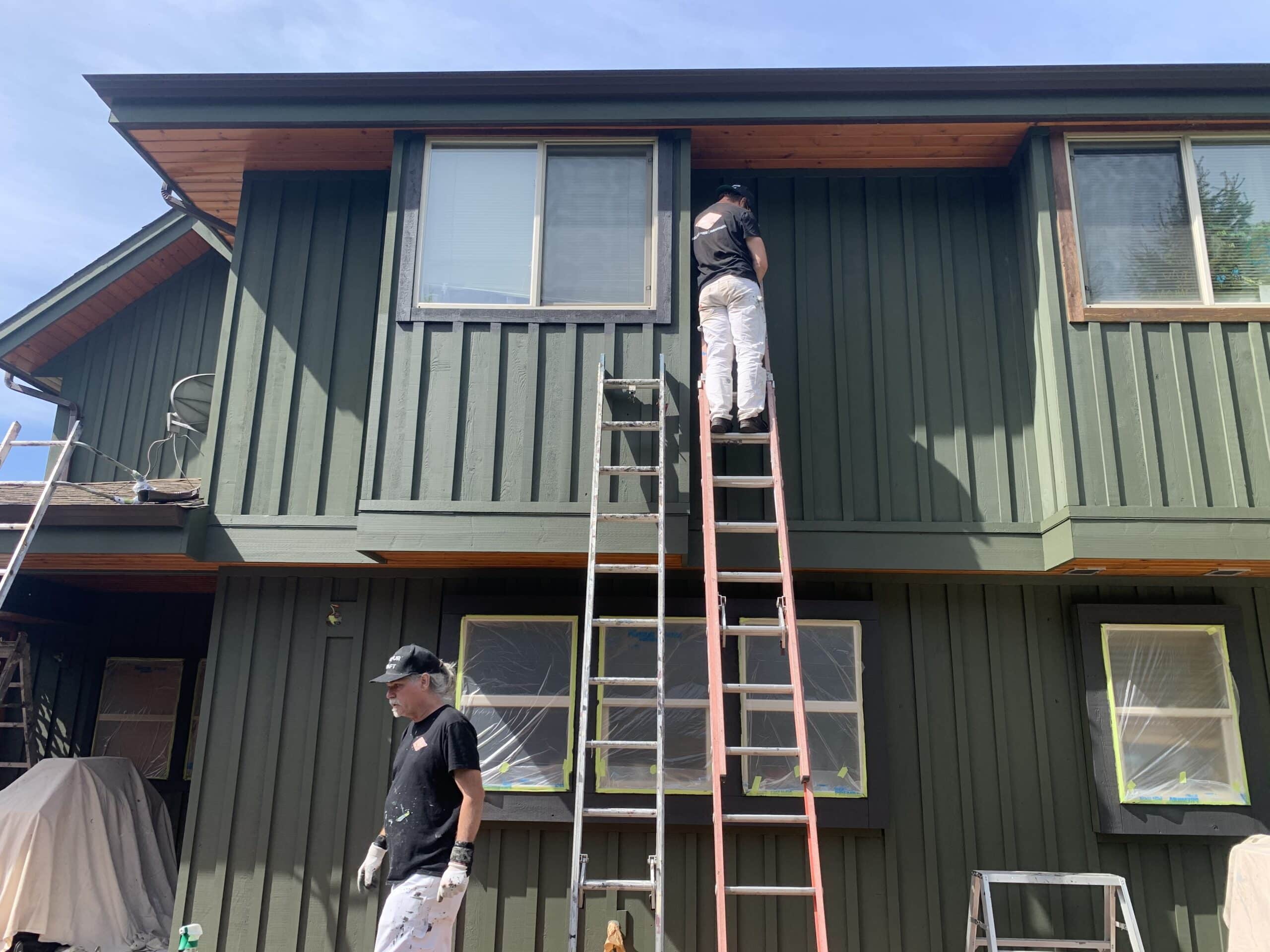
If a contractor agrees to unsafe work, that’s a red flag for you as the client. Professional crews will walk away instead of risking lives or leaving you open to lawsuits.
Red Flag #5 – Requests for Quick Fixes Over Proper Solutions
Painting can hide problems temporarily, but it won’t solve them. When clients ask us to paint over mold, skip primer, or cover water stains without repairs, the ethical choice is to refuse.
One property manager wanted us to coat over mold in a basement to “make it look fresh” before listing. The risks were clear: the mold would continue to spread, and new owners could face health hazards.
Products that work once repairs are addressed:
-
Zinsser Mold Killing Primer® – neutralizes mold spores.
-
Benjamin Moore Aura® Bath & Spa – moisture-resistant topcoat.
-
Drylok® Waterproofing – blocks water intrusion on masonry.
Covering damage doesn’t just reduce paint longevity—it creates liability. A professional refusal prevents bigger problems later.
The Cost of Ignoring Red Flags
Unfortunately, not every contractor walks away. Some take on risky jobs for quick revenue. The results almost always prove costly:
| Shortcut Taken | Short-Term Outcome | Long-Term Cost |
|---|---|---|
| Paint over rot | Fresh look for 3–6 months | Full board replacement later |
| Skip lead-safe practices | Faster turnaround | Liability, fines, health risks |
| Use bargain paints | Lower upfront invoice | Repaint needed within 2 years |
| Paint over mold | Hidden temporarily | Major remediation costs later |
When professional painters refuse work, it may feel frustrating at first. But it saves you from becoming the case study above.
How to Avoid These Red Flags as a Client
Most of these problems are preventable. Here’s how property owners can prepare so contractors don’t have to say no:
Many professional companies provide pre-project checklists. During our estimates, for example, we often flag repairs that need to be completed before painting. That way, clients can address them early and keep the project on track.
For interior guidance, check out our article on how to paint textured walls, which shows how proper prep makes all the difference in lasting results.
People Also Asked
Why “No” Can Be the Most Professional Answer
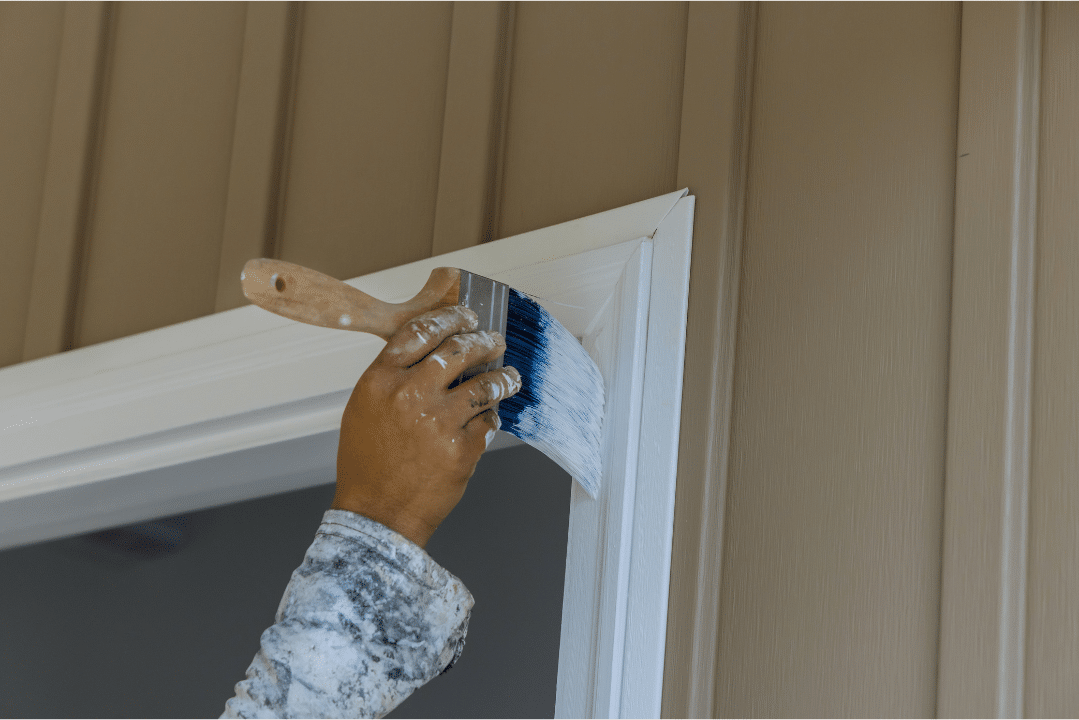
Refusing a painting project isn’t about turning away work—it’s about protecting clients from costly mistakes. The five red flags we’ve covered—structural damage, hazardous surfaces, low budgets, unsafe conditions, and improper quick fixes—are signals that the timing or scope isn’t right.
A contractor’s refusal may feel like a setback, but it’s actually a safeguard. It ensures that when your project does move forward, it’s safe, durable, and worth the investment.
If you’re planning a house painting project in Squamish, BC, the best step is to work with a crew that values honesty as much as craftsmanship. Our team provides clear assessments, repair recommendations, and full-service painting that lasts.
Ready to start with confidence? Contact our professional house painters today and schedule a consultation.