Local Painting Knowledge
Free Local Painting Resources
Expert advice on painting, colour selection, and home maintenance from the Colour Craft team across all our locations.
Showing 43 of 43 posts
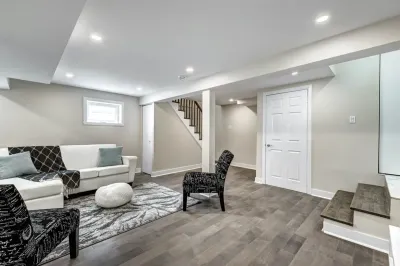
Should You Paint Before Listing? Here's What the Numbers Say.
Two of the most cost-effective pre-listing upgrades are also among the simplest: a professional paint job, and a deep clean. Here is how the return on investment breaks down for home sellers and realtors.
Ceiling Painting Mistakes: Costly Errors Homeowners Must Avoid for Flawless Results
Avoiding ceiling painting mistakes starts with knowing what can go wrong before the work begins. Too many homeowners in Whistler hire a painter, expect smooth results, and end up frustrated. The finished ceiling looks patchy or uneven. The truth is, most ceiling painting problems can be avoided, but only when you know what causes them.
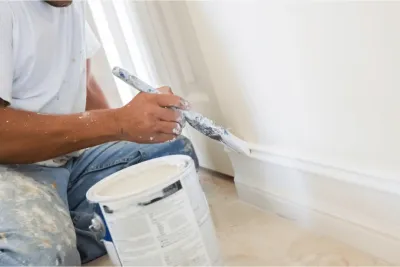
Best Advice on How to Paint Trim in East Vancouver, BC
How to paint trim is one of the most frequent questions homeowners ask during interior house painting in East Vancouver, BC . Trim frames every wall, doorway, and window , and when it's sharp and poli

5 Risky Red Flags That Made Us Refuse A Painting Project
If you've ever planned a painting project in Squamish, BC, you might think any professional crew will accept the work. But reputable contractors sometimes walk away, and for good reason. Refusing a
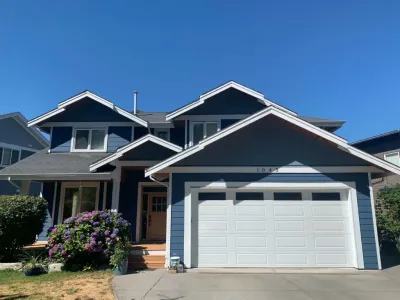
How Often to Repaint Garage Door: Proven Signs You Shouldn’t Ignore
If you have been looking into exterior house painting in North Vancouver, BC , your garage door may already be sending you signals. That chalky residue on your fingers is not a small thing. Neither is
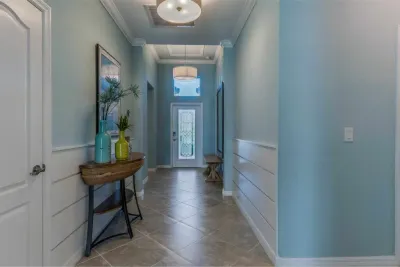
How to Choose a Foyer Paint Colour: Smart Tips for a Stunning and Cohesive Home
If you are planning interior house painting in West Vancouver, BC , the foyer is the first room guests see. Yet it is the room homeowners get wrong most often. They pick a colour for the entryway. The
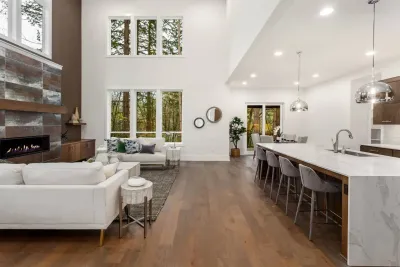
Interior Paint Types: A Richmond, BC Homeowner’s Trusted Guide
In a coastal community like Richmond,damp air works on a fresh coat in ways most homeowners never plan for. Learning how to choose interior paint here means looking past the colour swatch and asking h
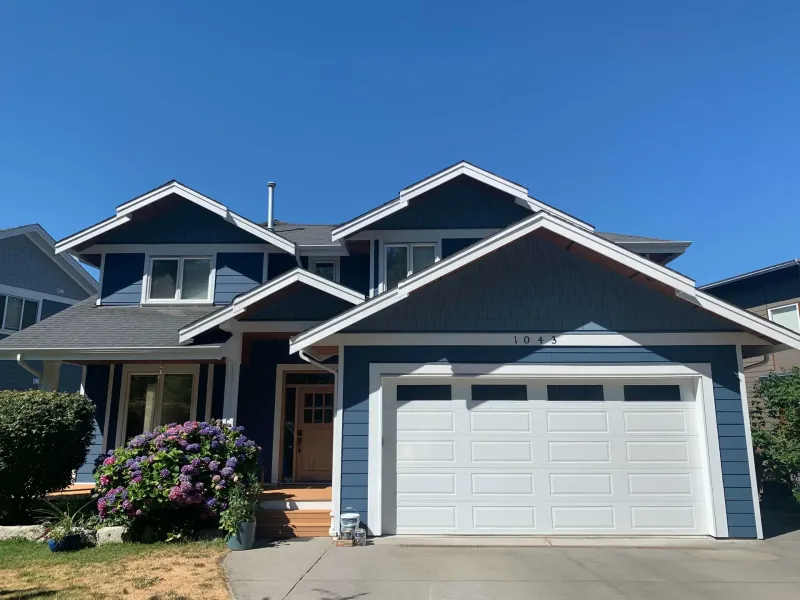
What Coastal Homeowners Should Know About Spring Interior Painting in Steveston, BC
Spring sunlight has a way of showing what winter politely hid. The walls look dingier, and the trim looks tired. Many homeowners across the Lower Mainland start looking for [interior painters in Steve

Critical Reasons 2 Coats of Paint Deliver a Stronger Look
Many homeowners and property owners ask a familiar question: “Do I really need two coats of paint?” It can seem like a professional upsell at first, but science, chemistry, and experience all agree, tw

Should You Repaint or Renovate Walls? What Steveston Homeowners Need to Know First
Interior painting is one of the most cost-effective ways to refresh your home. But interior painting does not fix every wall
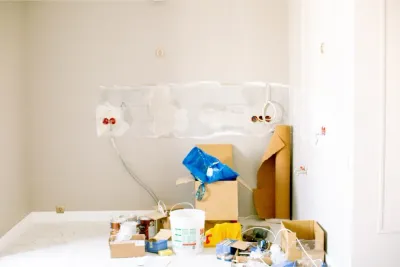
How to Reuse Leftover Paint: Smart Ways to Save Money Without Risking Results
Your building has old paint sitting somewhere. After all, interior commercial painting in Squamish, BC always leaves surplus behind. It ends up in closets, storage cages, and back rooms. Years pass. Then someone needs to touch up a wall, paint a new office, or refresh a lobby. The question comes up: can we use the old stock? Knowing how to reuse leftover paint comes down to five simple checks.
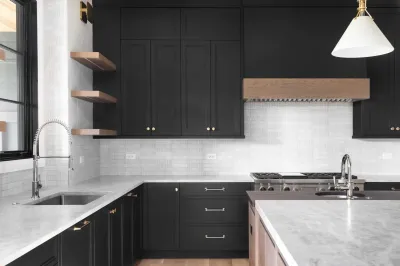
How to Choose Paint Colours for Kids Room: Stress-Free Tips Parents Love
If your toddler’s bedroom is next on your interior house painting list in East Vancouver, BC, you already know the problem. It is not a lack of options. It is too many of them. Learning how to choose paint colours for a kids room is less about finding the perfect shade and more about knowing what actually works in a real home with real kids.
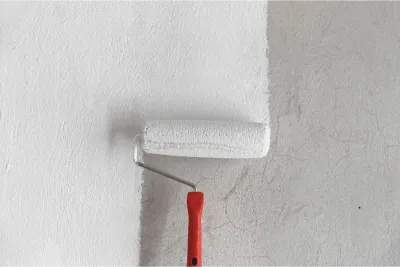
Best Techniques for How to Paint Textured Walls
If you’ve been searching for how to paint textured walls while getting ready for interior house painting in Whistler, BC, you’re far from alone. Many homeowners enjoy the depth and charm textured walls bring, yet painting them can be frustrating without the right plan. With solid preparation, proper tools, and smart techniques, you can refresh those walls while keeping their unique character.
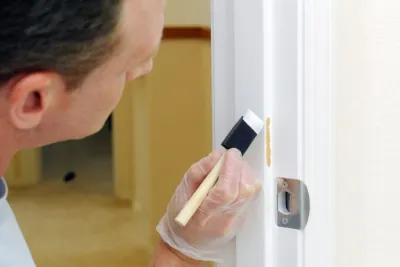
How to Fix Chipped Paint In The Simplest Way
If you’re searching for how to fix chipped paint during interior house painting in West Vancouver, BC, you’re definitely not alone. Chipped paint is one of the most common problems we see, especially in busy homes with kids, pets, or constant activity. The good news is, you can fix them without repainting the entire room.
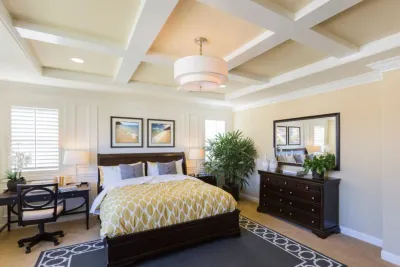
5 Types of Paint Finishes for Interior House Painting in North Vancouver, BC
If you’re planning interior house painting in North Vancouver, BC, it’s important to get familiar with the types of paint finishes that are out there. While colour gets all the attention, finish is what determines how your walls will wear over time, how the light plays off them, and how easy they are to clean.
5 Interior House Painting Safety Tips in Squamish, BC
Interior house painting safety is a big deal if you’re planning interior house painting in Squamish, BC. Freshening up your space with colour is exciting, but without the right steps, it can affect your air and health. As an interior house painter in Squamish, BC, I’ve had clients call after experiencing headaches, dizziness, or irritated eyes from painting without proper ventilation.
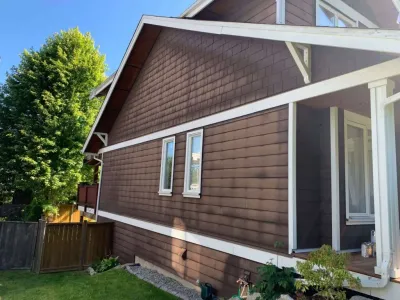
7 Shocking Reasons Paint Lasts Longer Than Stain
When comparing paint vs stain durability , the facts are clear: paint lasts much longer than stain on exterior wood. Paint forms a thicker, film-like coating that shields wood against UV rays, rai
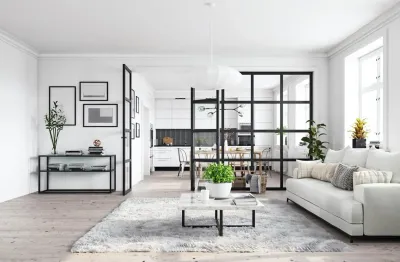
5 Signs Your Home Needs Interior Painting in Richmond, BC
There’s a room in your house you’ve walked past a hundred times.The walls look fine, until they don’t.One afternoon, the light hits just right, and suddenly you see it. The paint near the baseboard i
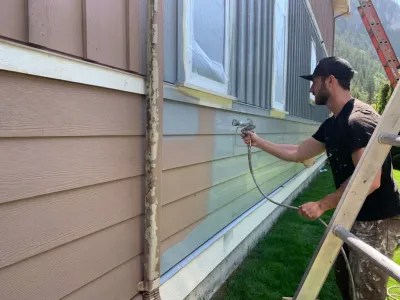
8 Questions to Ask Before Hiring a House Painter
Hiring an interior painter in Philadelphia for the first time can feel like a big step. You want your home to look fresh, but you are not sure who to trust or what to expect. That is why the questions
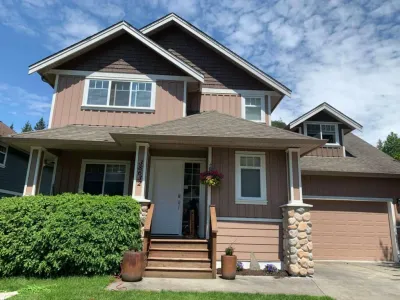
6 Hidden Costs of Exterior Painting Most Painters Won’t Tell You
Even the most straightforward exterior painting project can carry hidden costs most painters won’t mention upfront, until it’s too late. The truth is that painting cost estimates often look deceptively
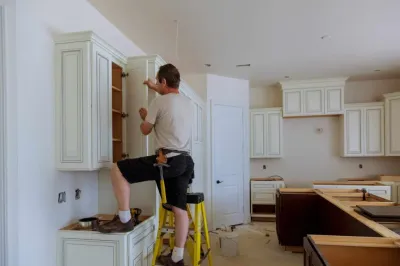
9 Positive Results You’ll See When Painting Cabinets the Right Way
If you’ve ever wondered why some kitchen makeovers look crisp, smooth, and professionally manufactured while others look streaky or amateurish, the answer is simple: the process matters more than the
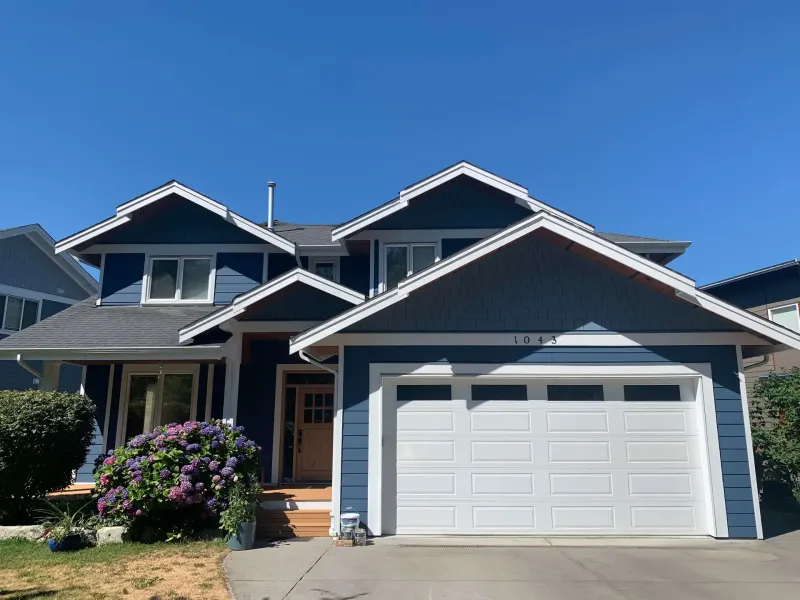
How Much Does Exterior Painting Cost in Squamish BC? (2026 Guide)
Exterior painting in Squamish BC costs $4,500–$15,000 for most homes in 2026. Here is exactly what drives that number, and how to get an accurate quote from a local painter.

6 Signs Your Squamish Home Needs a Fresh Coat of Paint
Most Squamish homeowners wait too long to repaint. By the time paint is visibly peeling, the damage underneath is already done. Here are 6 signs your home needs attention now.
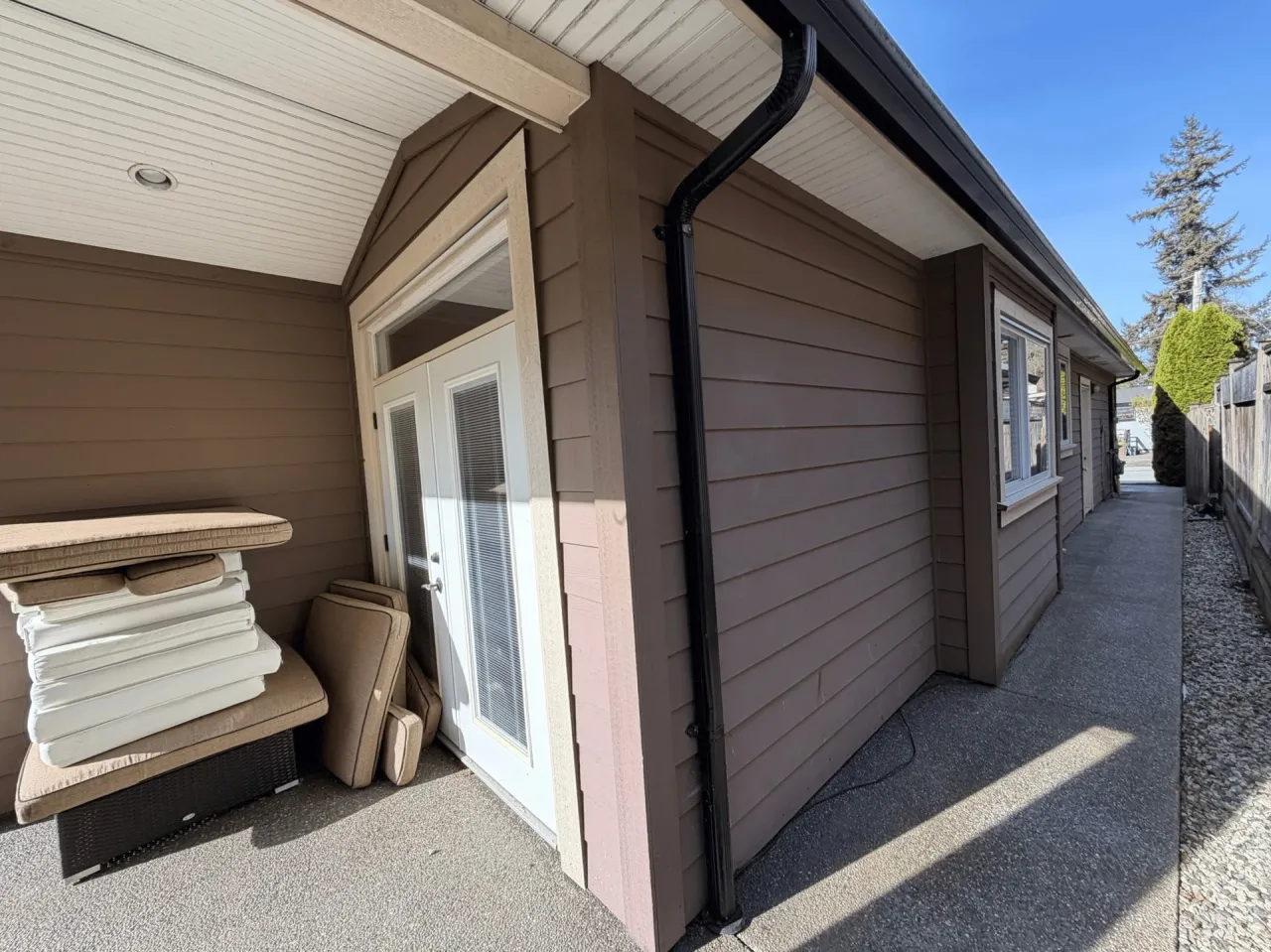
How Much Does Exterior Painting Cost in Richmond BC? (2026 Guide)
Exterior painting in Richmond BC costs $5,000–$18,000 for most homes in 2026. Stucco, Hardie board, and coastal humidity all affect the price. Here is the full breakdown.
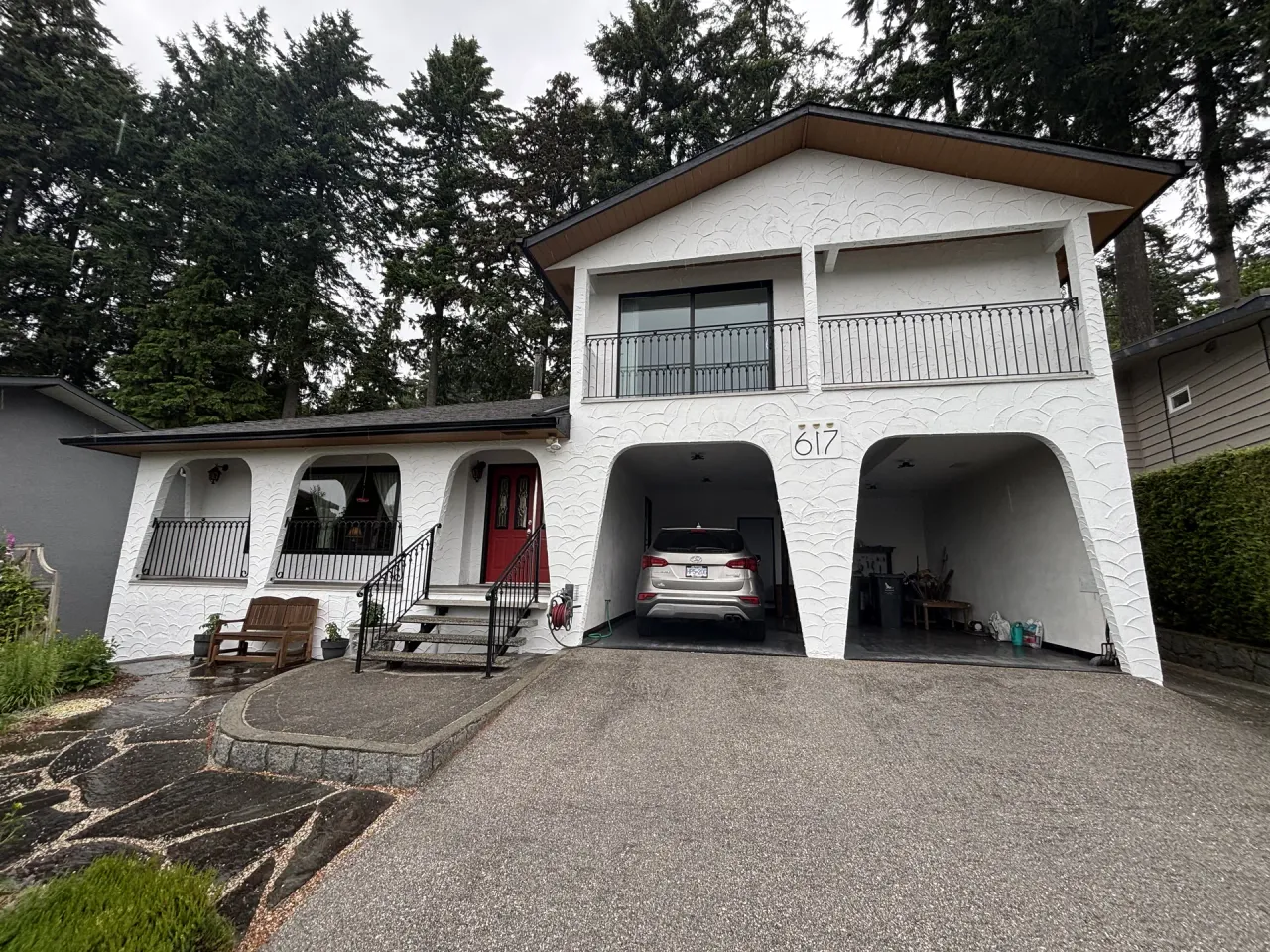
6 Signs Your Richmond Home Needs New Exterior Paint
Richmond's coastal humidity accelerates paint failure faster than most BC cities. Here are 6 signs your home needs attention before small problems become expensive repairs.
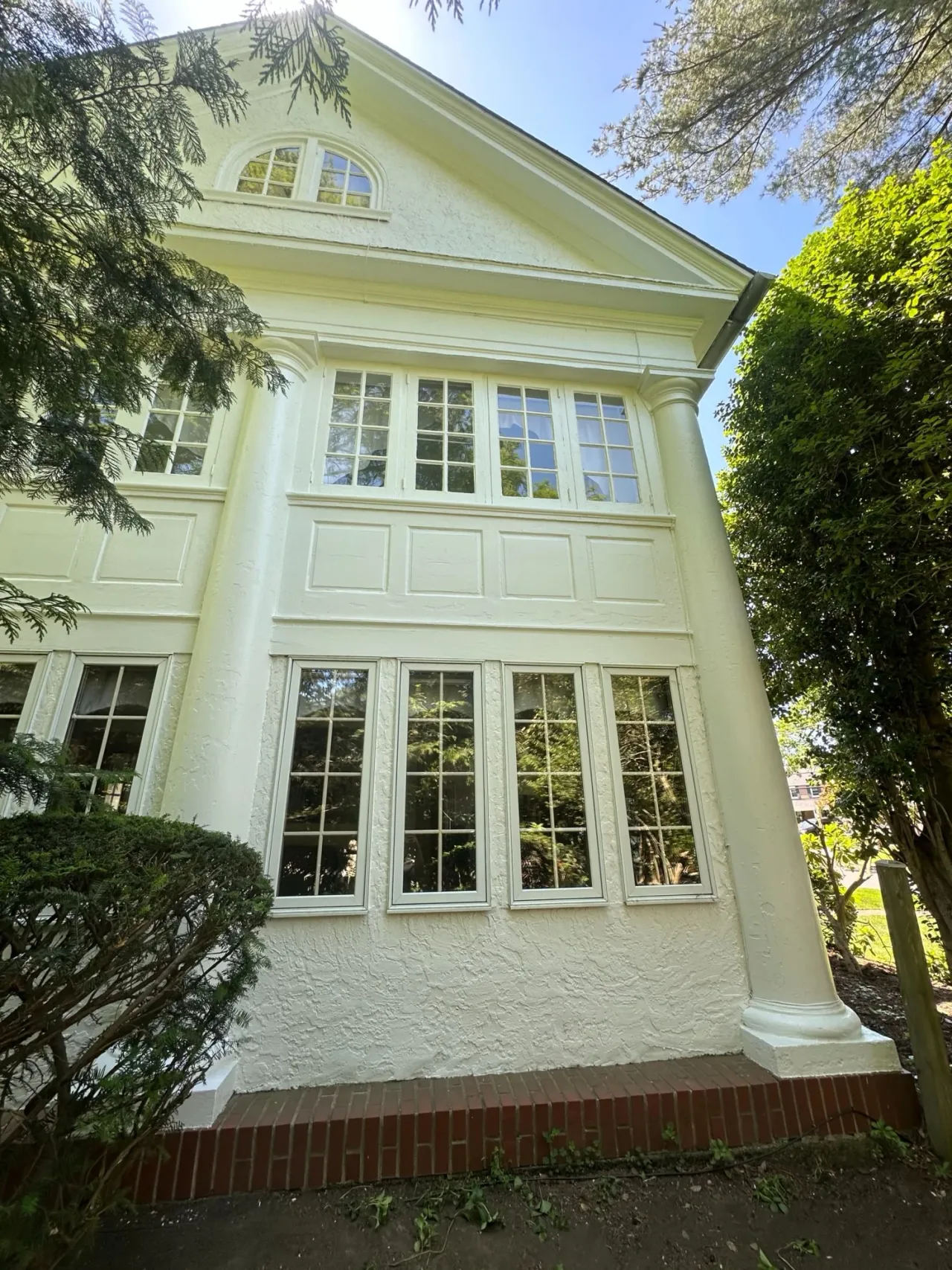
How Much Does Exterior Painting Cost in Philadelphia PA? (2026 Guide)
Exterior painting in Philadelphia PA costs $6,000–$19,000 for most homes in 2026. Brick rowhouses, historic districts, and freeze-thaw winters all shape the price. Here is exactly what to expect.
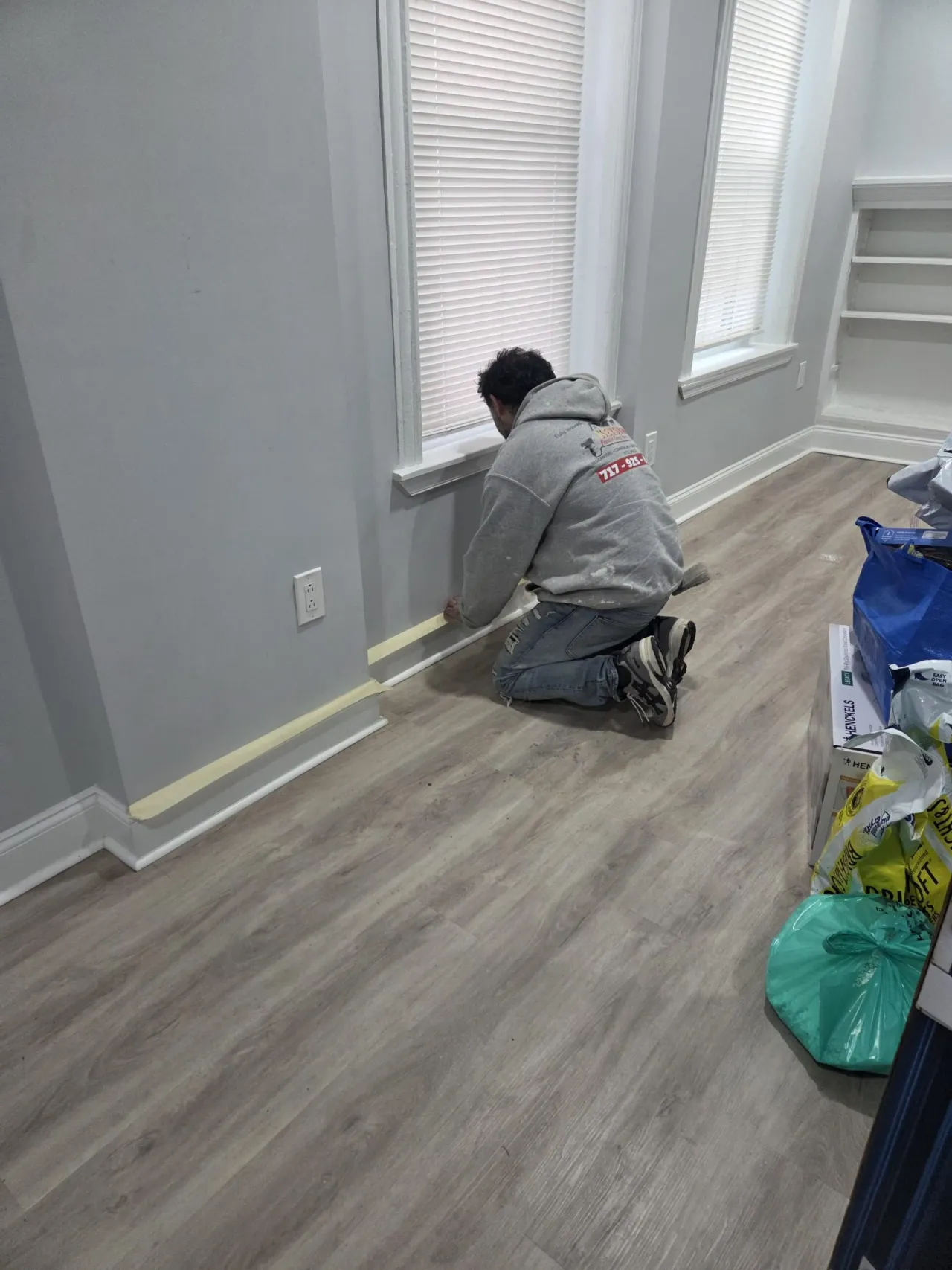
6 Signs Your Philadelphia Home Needs a Fresh Coat of Paint
Philadelphia's four seasons put serious stress on exterior paint. Here are 6 signs your home needs attention before small issues become costly repairs.
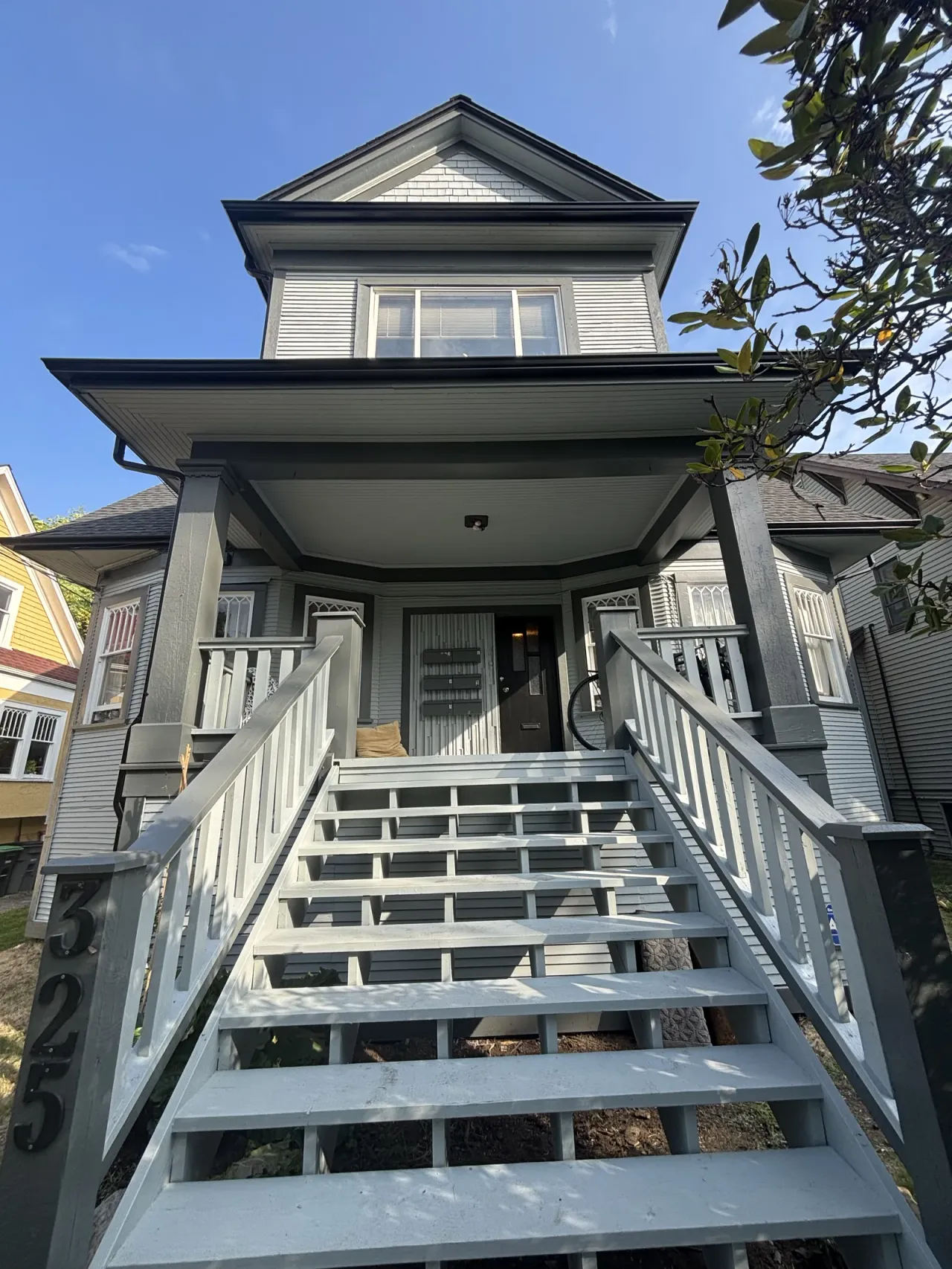
How Much Does Exterior Painting Cost in Vancouver BC? (2026 Guide)
Exterior painting in Vancouver BC costs $4,000–$25,000 in 2026. Heritage homes, stucco, and the wet Pacific climate all affect the price. Here is the full neighbourhood breakdown.
How Much Does Interior House Painting Cost in Vancouver, BC? (2025 Guide)
Interior house painting in Vancouver typically costs between $2,500 and $9,000 for a standard home. Here is exactly what drives that number and how to get an accurate quote.
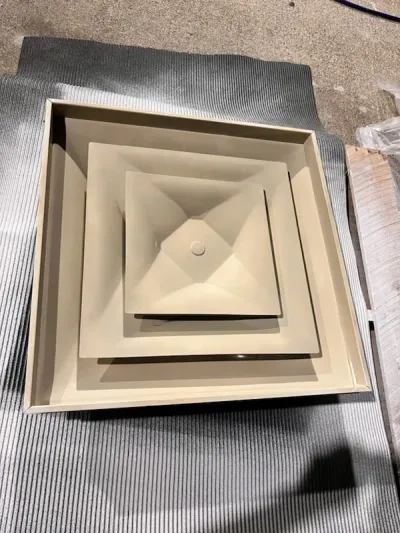
6 Signs Your Vancouver Home Needs New Interior Paint
Most Vancouver homeowners repaint their interiors every 5–8 years. Here are 6 signs it is time, and why waiting too long costs more in the end.
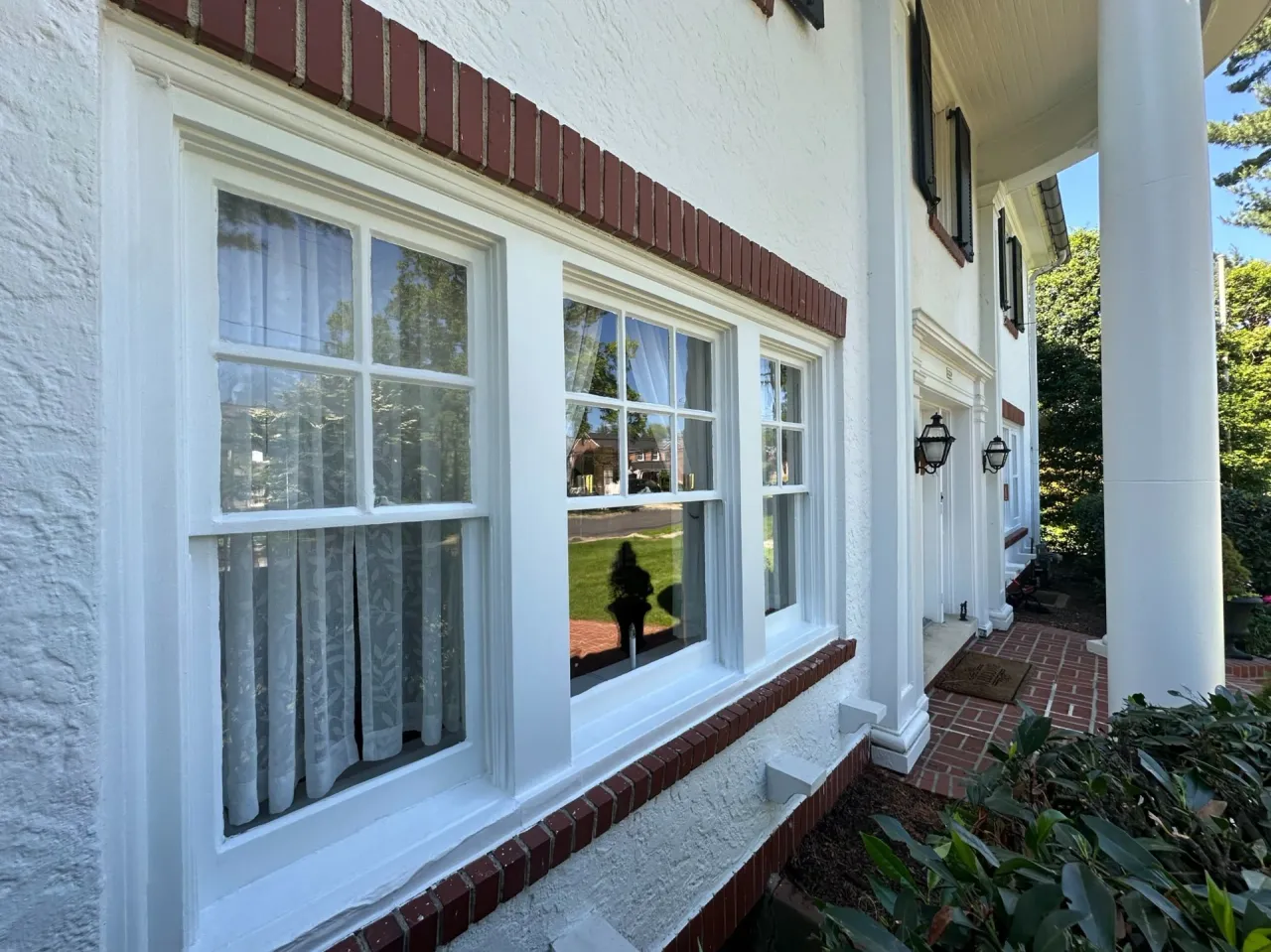
How Long Does Exterior Paint Last Through Philly's Freeze-Thaw Winters?
Philadelphia winters are hard on exterior paint. Freeze-thaw cycles crack and lift coatings faster than almost any other climate factor. Here is what homeowners in Philly, Havertown, and the Main Line need to know.
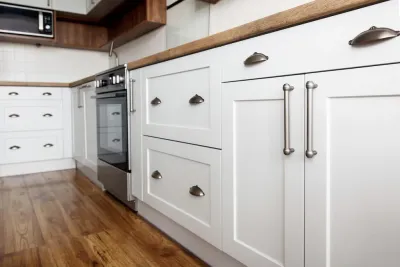
How Much Does Cabinet Painting Cost in Squamish?
Cabinet painting in Squamish typically costs $1,200 to $3,500 for a full kitchen. Here is what drives the price and how to get an accurate estimate.
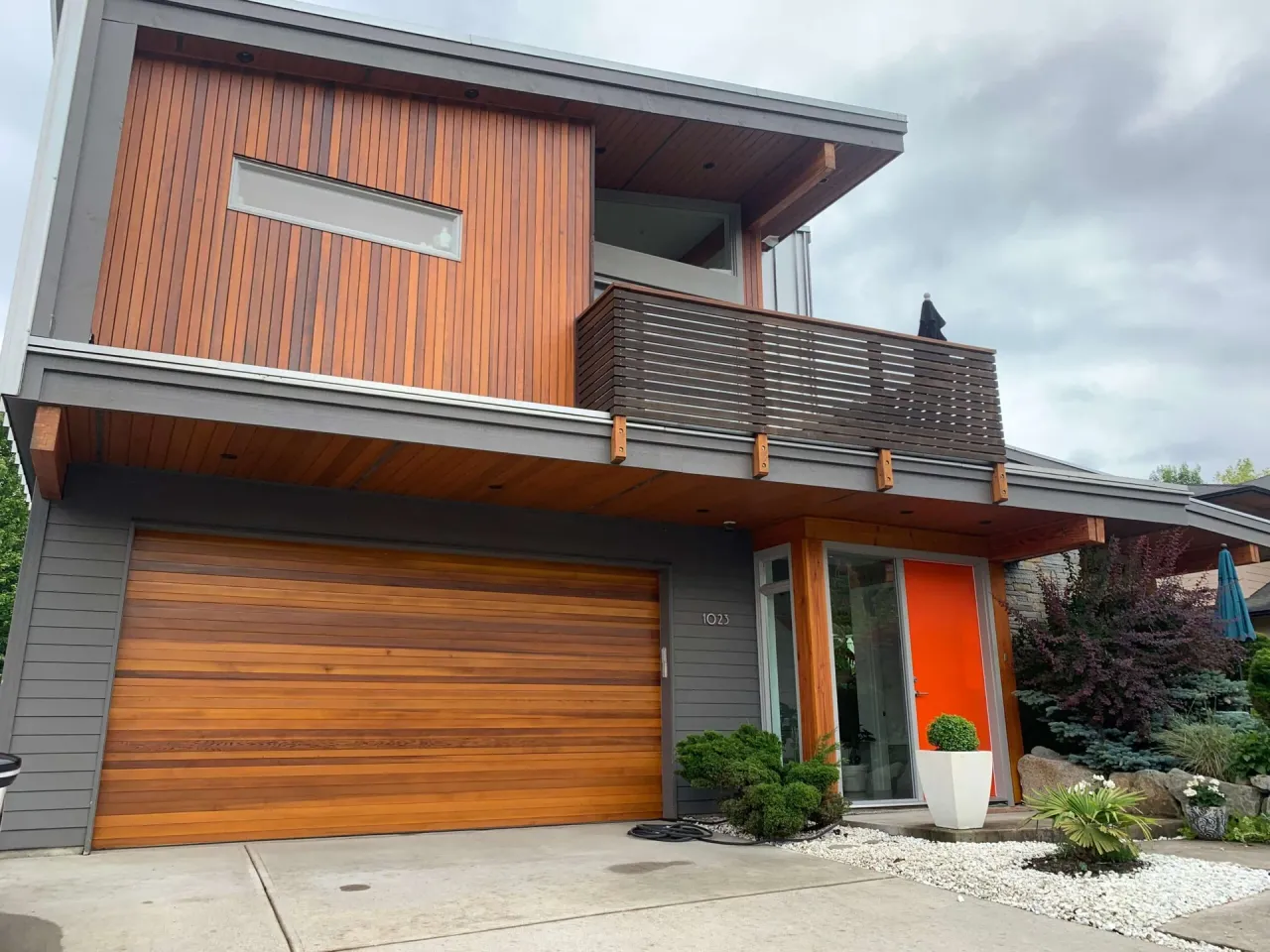
How Much Does Deck Staining Cost in Whistler, BC?
Deck staining in Whistler costs $800 to $3,000 depending on size, condition, and product. Here is what to expect and how to protect your deck through Whistler winters.
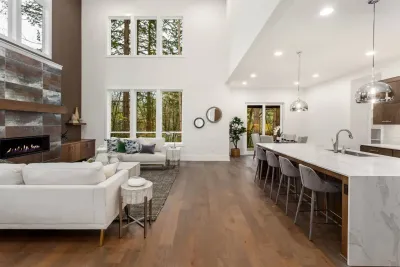
How Much Does Interior House Painting Cost in Richmond, BC?
Interior painting in Richmond, BC costs $1,500 to $6,000 for a full home. Here is a room-by-room breakdown and what affects the final price.
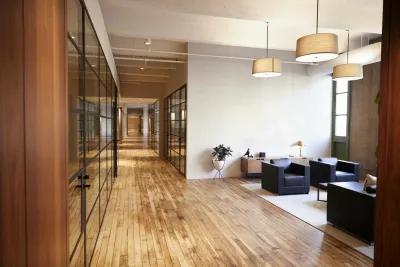
How Much Does Exterior House Painting Cost in Delta, BC?
Exterior house painting in Delta, BC costs $3,500 to $9,000 for most homes. Here is what drives the price and what to look for in a Delta painting contractor.
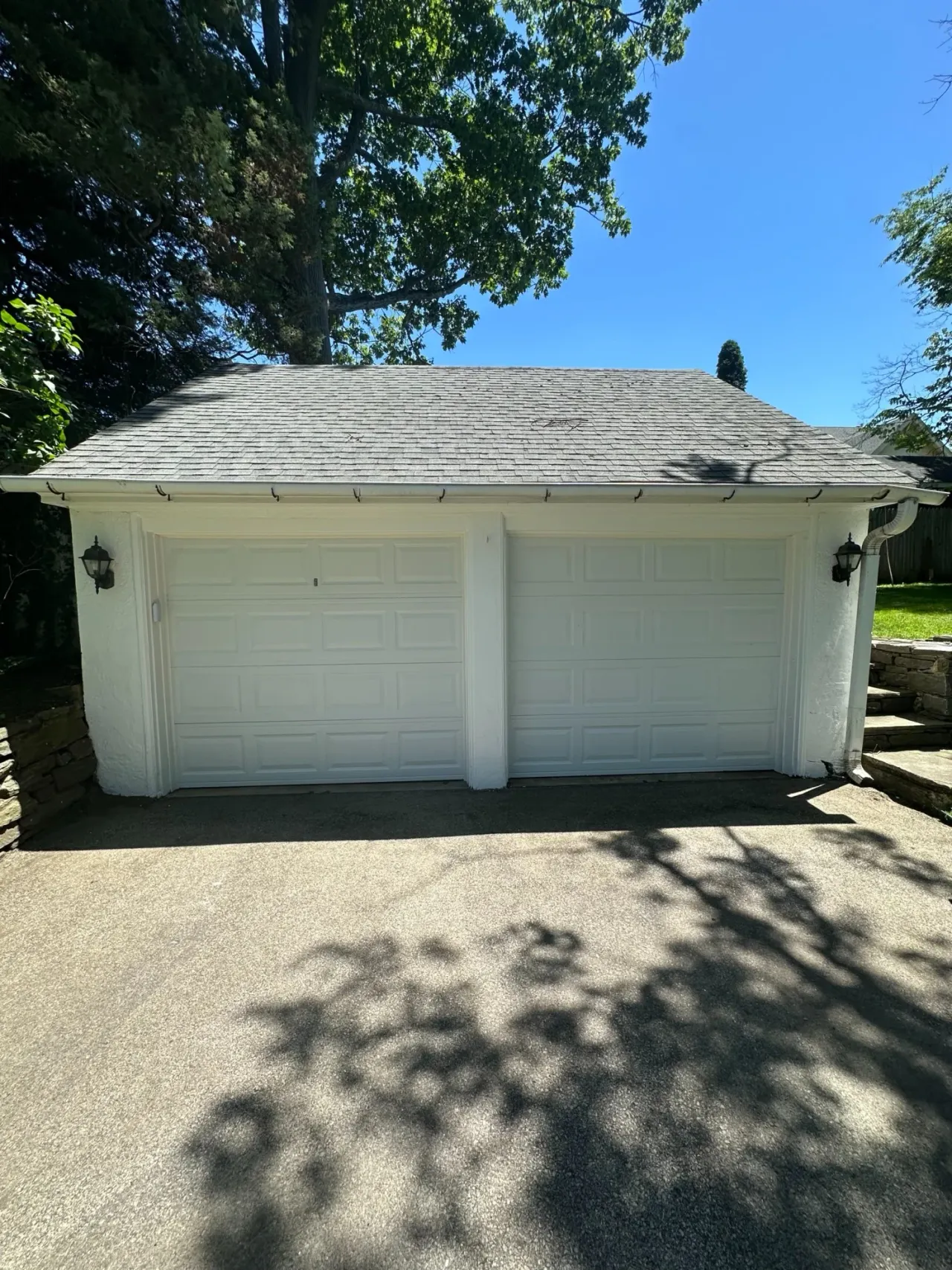
How Much Does Cabinet Painting Cost in Philadelphia?
Cabinet painting in Philadelphia costs $1,500 to $4,000 for a full kitchen. Here is what drives the price in Philly, the Main Line, and surrounding suburbs.
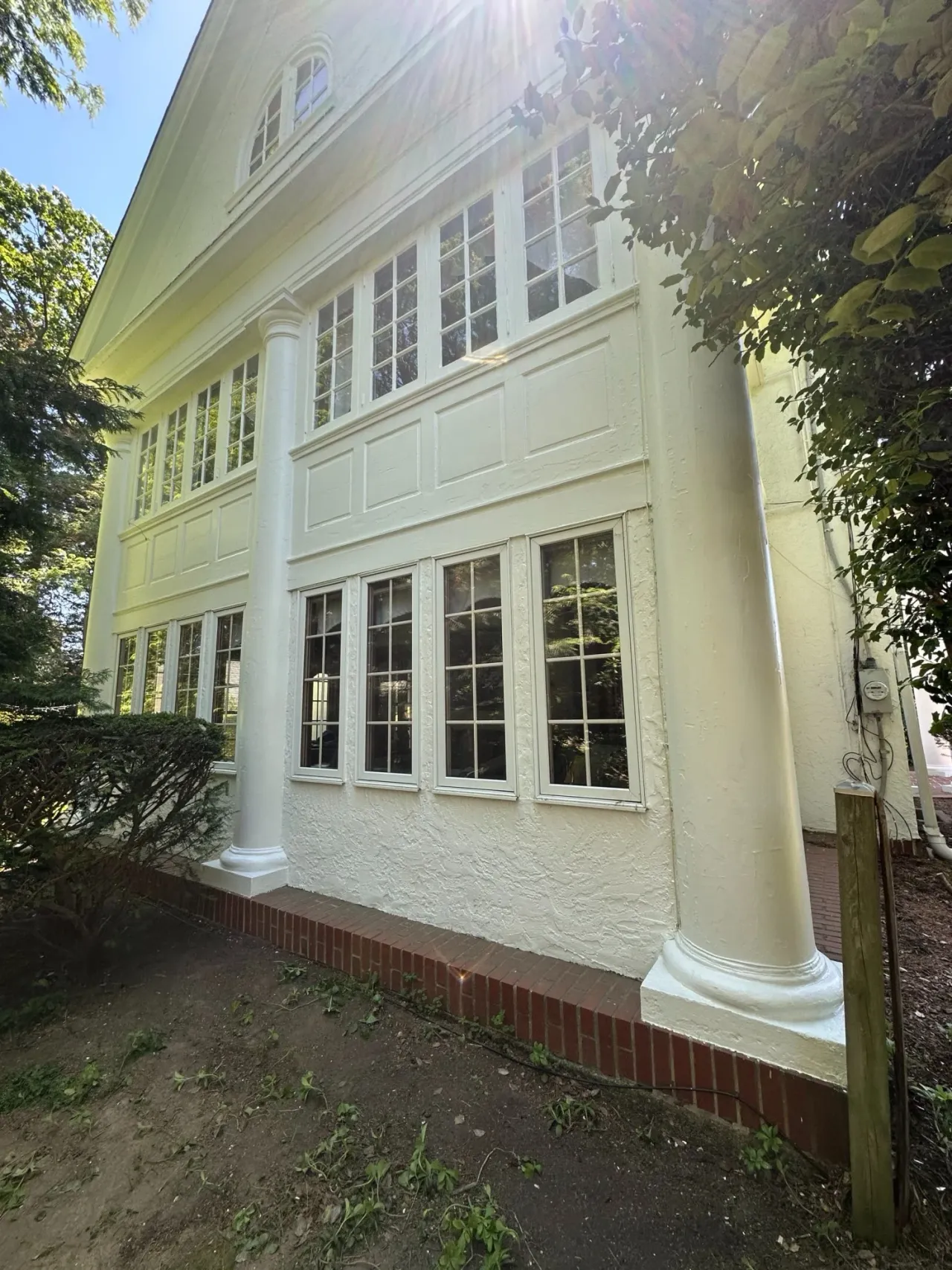
How Much Does Deck Staining Cost in King of Prussia, PA?
Deck staining in King of Prussia and the Philadelphia suburbs costs $900 to $3,500. Here is what drives the price and how to protect your deck through PA winters.
How Much Does Condo Painting Cost in Vancouver?
Condo painting in Vancouver costs $1,800 to $5,500 depending on size and scope. Here is what to expect and how to get the most out of your Vancouver condo refresh.
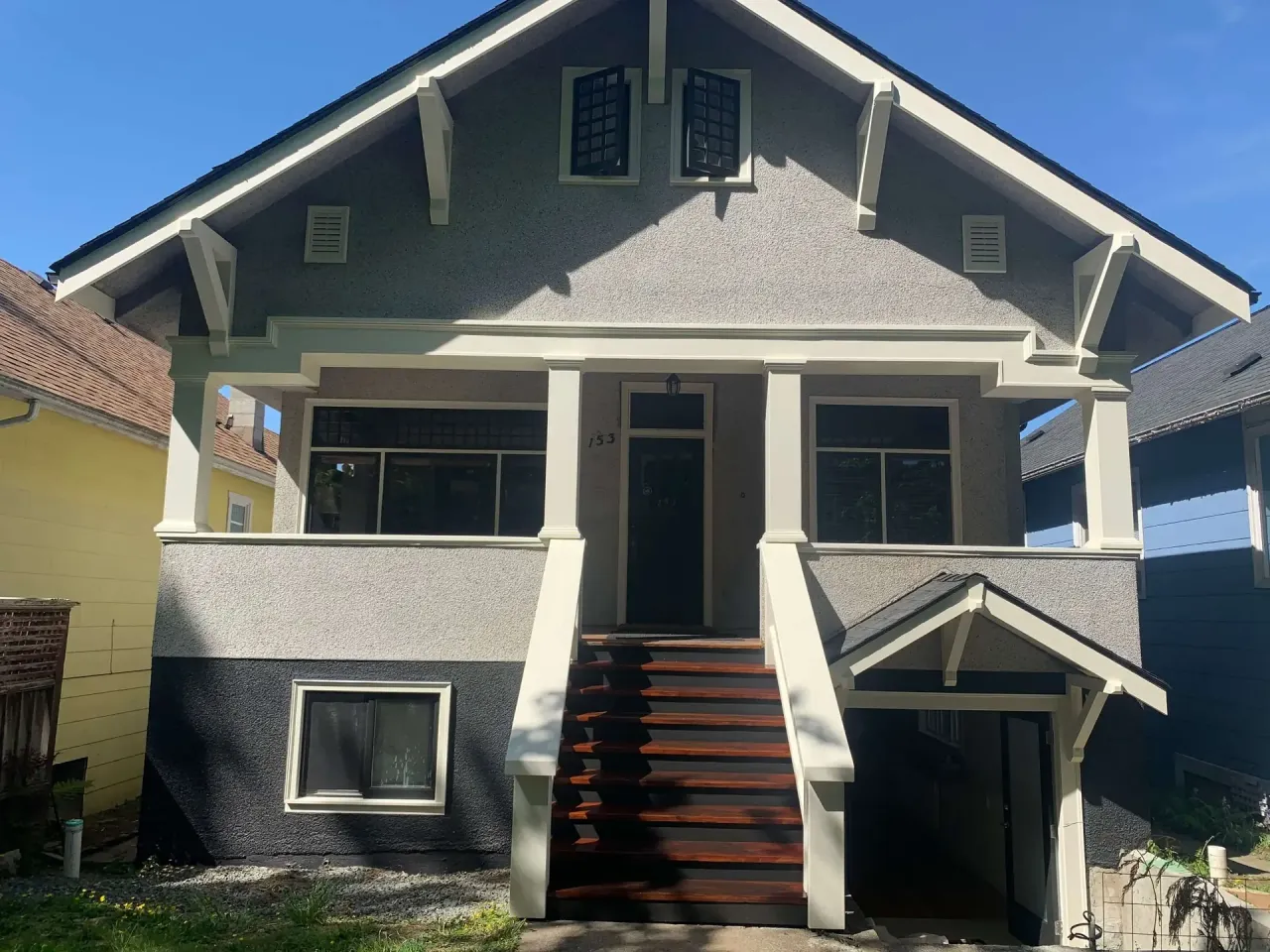
How Much Does Stucco Painting Cost in East Vancouver?
Stucco painting in East Vancouver costs $4,000 to $10,000 for a full home. Here is what drives the price and why stucco requires a different approach than wood siding.
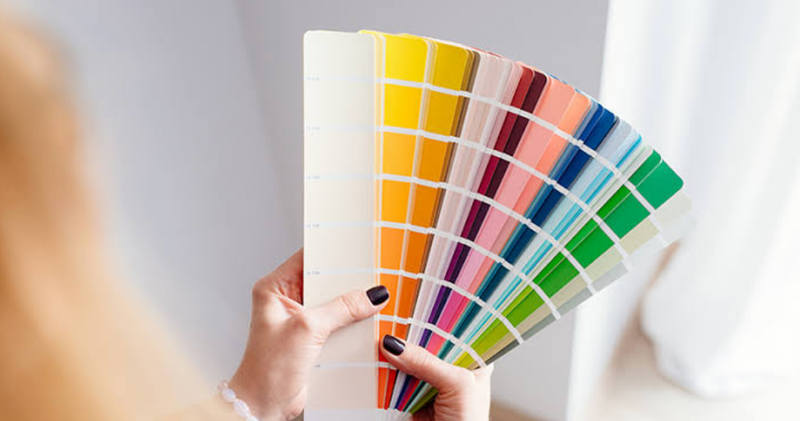
How to Choose Exterior Paint Colours for Your Home
Choosing the right exterior paint colour is one of the most impactful decisions you can make for your home. Here is a practical guide to getting it right the first time.
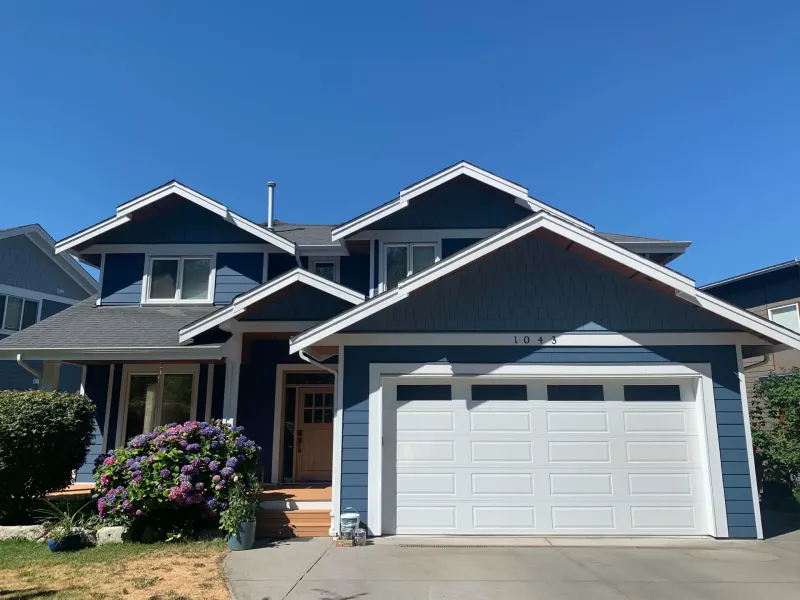
How Often Should You Repaint Your Home Exterior?
Most homeowners wait too long to repaint. Here is a practical guide to how often exterior paint needs to be refreshed, and the warning signs that tell you it is time.
7 Signs Your Interior Walls Need Repainting
Interior paint does not last forever. Here are the 7 clearest signs that your walls are overdue for a refresh, and what to do about it.

10 Questions to Ask Before Hiring a Painter
Hiring the wrong painter is an expensive mistake. These 10 questions will help you separate the professionals from the fly-by-night operators before you sign anything.
Ready to Start Your Project?
Get a free estimate from your local Colour Craft team.
Schedule Free Estimate