
If you’re searching for how to fix chipped paints during interior house painting in West Vancouver, BC, you’re definitely not alone. Chipped paint is one of the most common problems we see, especially in busy homes with kids, pets, or constant activity. From moving furniture to day-to-day wear, small damages happen more often than you’d expect.

The good news is, you can fix them without repainting the entire room. All you need are a few basic tools, a little time, and the right prep to make those chips disappear and get your walls back to looking fresh.

Key Takeaways

  • Chipped paint can be repaired without a full repaint if the prep is done correctly.
  • Most chips come from daily wear or missed prep steps like priming or cleaning.
  • A putty knife, filler, and light sanding are key tools to fix chipped paint.
  • Smoother prep always leads to more invisible repairs.
  • Calling a professional house painter can save time and make things easier for larger interior house painting project.

Why Your Walls Keep Chipping

Paint chips are a fact of life, especially in homes that are busy, humid, or weren’t properly prepped. I had a homeowner in West Vancouver reach out after they noticed flakes in their stairwell just a few months after painting. Turns out the old surface was glossy and the paint didn’t bond well. No primer either.
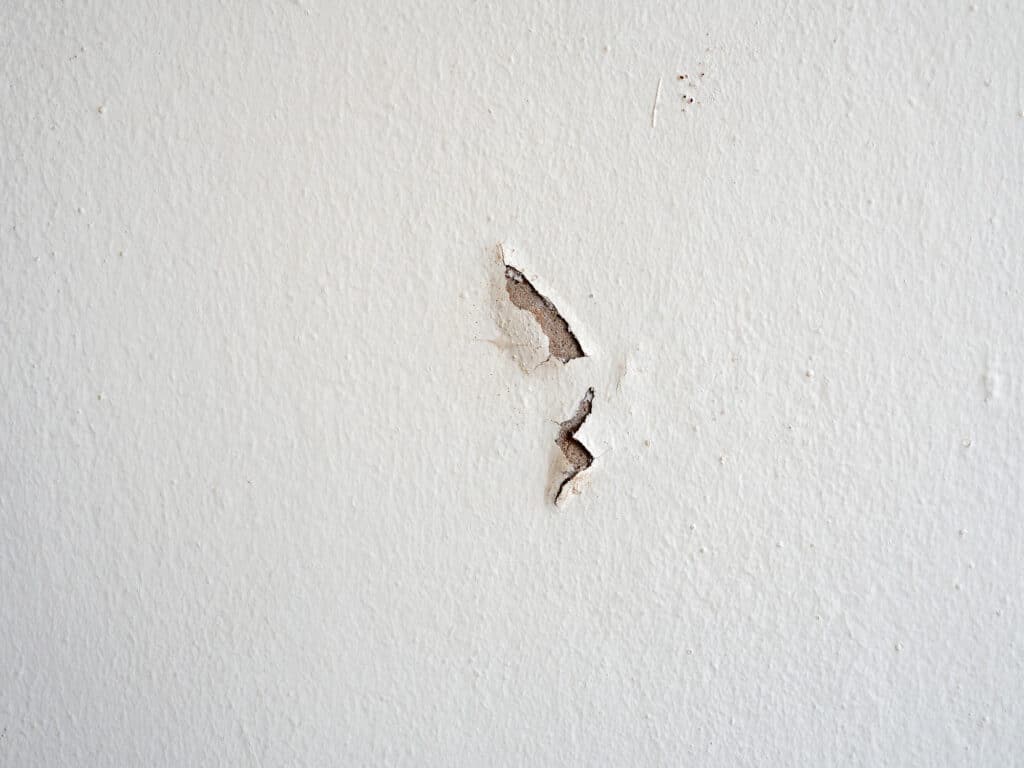
how to fix chipped paints

These are some of the usual suspects:

  • Furniture rubbing or bumping the wall
  • Humidity and steam in bathrooms or kitchens
  • Dusty or greasy walls that weren’t cleaned before painting
  • No primer or the wrong primer used for the surface
  • Paint applied too thick or without enough dry time

Tools and Materials You’ll Want Ready

Before you get started, gather your supplies. Having everything within reach saves a lot of time.
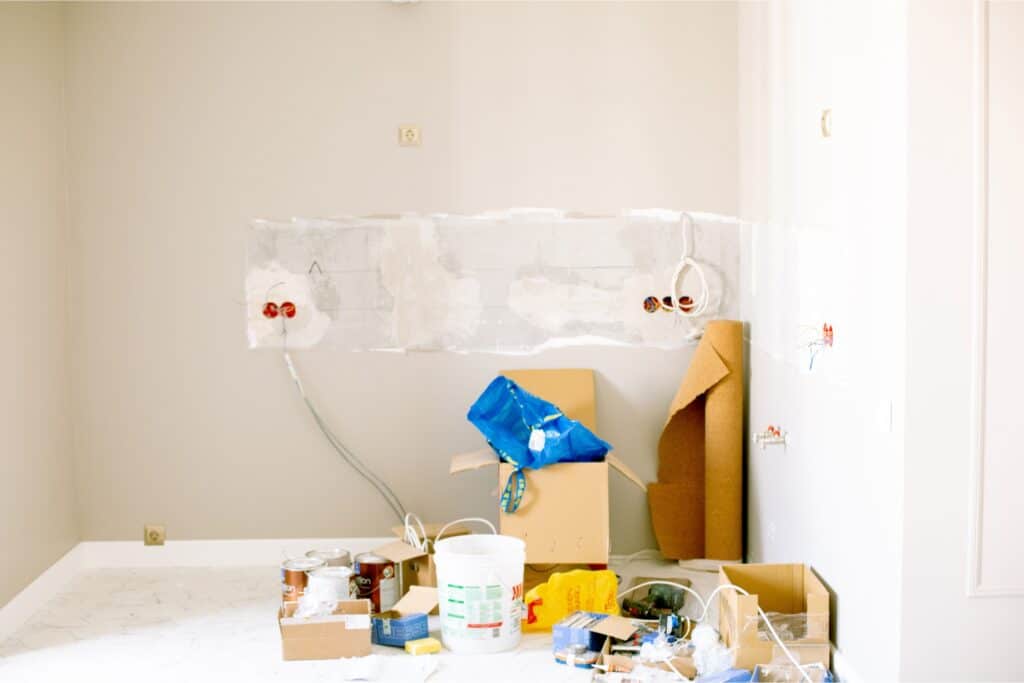
how to fix chipped paints How to Reuse Leftover Paint
  • 2-inch and 4-inch putty knives
  • Medium and fine-grit sandpaper
  • Wire brush
  • Lint-free cloth or microfiber towel
  • Paintbrush

Lightweight spackle is easier to spread and faster to dry, making it perfect for fixing smaller wall damage.

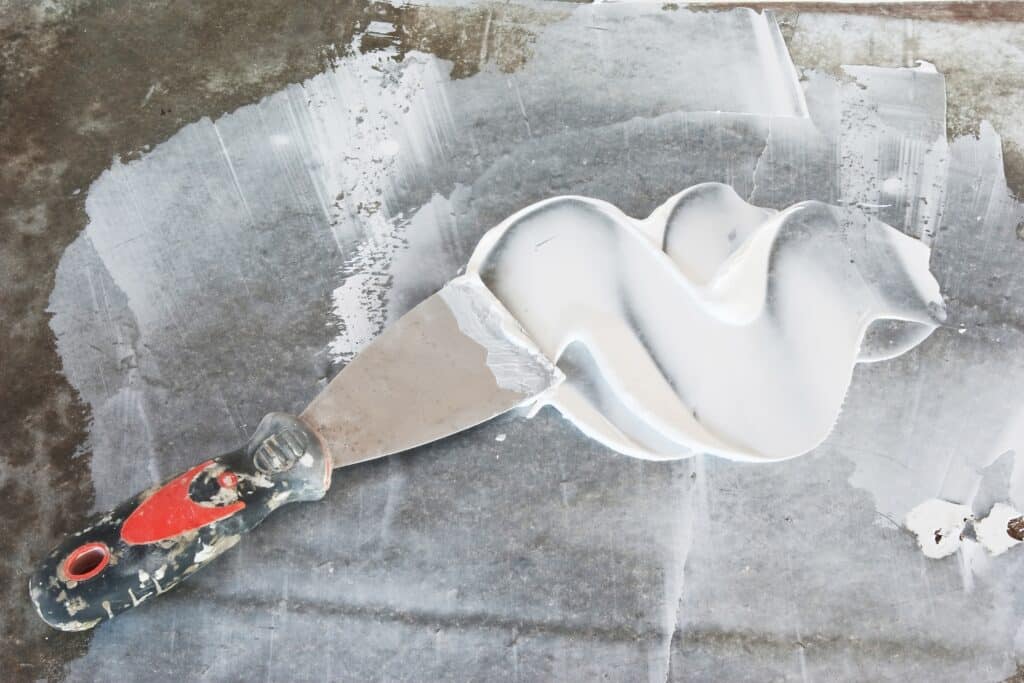
How to Fix Chipped Paints Without the Stress

If you’ve been wondering how to fix chip in wall sections that look worse every day, this walk-through will help you patch things up without a hassle.
how to fix chipped paints

How to Fix Chipped Paints and Keep Them From Coming Back

Once you know how to fix chipped walls, it’s just as helpful to know how to prevent them. Here are a few habits that go a long way:

  • Always sand glossy walls before painting
  • Clean all surfaces thoroughly with a mild degreaser
  • Use the correct primer for the surface and paint type
  • Apply thin coats and give them time to dry
  • Install wall guards or rails in high-traffic spots

I had one family in Squamish, BC whose kids played hockey indoors—yes, indoors. Their hallway walls had dents, scrapes, and paint chips. After patching everything, we installed a vinyl rail about four feet up. Not a single chip since.

When You Should Call a Professional House Painter

Knowing how to fix chipped wall areas is great—but not every chip is DIY-friendly. If the texture is tricky, the paint is hard to match, or the damage is everywhere, bringing in a professional house painter is the better move.

You might want to bring in a pro if your home has several chipped areas across different rooms, especially if each one has its own unique paint color or sheen. It can be a lot to manage without the right tools.

Four professional painters in branded shirts engaging in a lively discussion about a project.

It’s also a smart move if your walls have a specific texture or finish that’s tricky to match. If you’re already planning an interior house painting project, it makes sense to get everything done at once with a smooth, consistent result.

A professional house painter doesn’t just patch. They blend the texture, match the colour, and leave everything looking consistent. No flashing, no ridges, and no guesswork.

Let Colour Craft Help You With It

You don’t need to live with chipped paint or take on more than you have time for. Whether it’s one patch or a full interior house painting project, Colour Craft is here for homeowners across West Vancouver, West Vancouver, North Vancouver, and the surrounding areas.

We show up on time, work clean, and treat your space with care.

Call us today at 778-744-0192 for a FREE estimate. Let’s fix those chipped walls the right way so you can enjoy your space again.

Frequently Asked Questions About Fixing Chipped Paint

Before you head to the hardware store, here are the questions homeowners in West Vancouver ask us most often about chipped paint repair. Straight answers, no fluff.


Yes, but only if the chip is smaller than a credit card and the paint around it is still bonded tight. Press your fingernail under the surrounding edge. If more paint lifts, the failure has already spread past what you can see, and a spot repair will fail again within months. In that case, recoating the full wall is the smarter spend.

Lightweight spackle on a shallow chip is usually firm in 30 to 60 minutes. Deeper fills can need 2 to 4 hours. Touch the patch with the back of your hand. If it feels cool, it is still curing. Sanding too early drags the spackle out of the hole and you start over.

Yes. Skipping this step is the most common reason DIY patches show through. Bare spackle absorbs paint at a different rate than the surrounding wall, which leaves a dull or shiny spot called flashing. One thin coat of primer, extending about an inch past the edge of the patch, solves it.

Two reasons. The paint on your wall is not the same paint as the paint in the can anymore. Sunlight, cleaning products, and air exposure shift the color over time. Second, fresh paint sits on top of primer, not on the same sheen layer as the rest of the wall. Feathering the edges with a slightly damp brush helps blend the transition, but a patch older than 3 years almost always shows under raking light.

Spackle is lightweight, dries in under an hour, and is built for small holes and paint chips. Joint compound, often called mud, is heavier, takes 8 to 24 hours per coat, and is built for taping drywall seams. For chipped paint, use spackle. Using joint compound on a small chip is overkill and adds a full day to the project.

Three things move the needle, and skipping any one of them is why repairs fail. Wash the wall with a mild degreaser before you paint, since greasy walls are the number one adhesion failure we see in West Vancouver kitchens. Sand any glossy surface so the new coat has something to grip. And in hallways or stairwells, install a chair rail or vinyl wall guard around 4 feet up. Skip those steps and you are paying twice.

Call a pro when you have chips in more than one room, when the wall has a knockdown or orange peel texture, or when you no longer have the original paint code. Texture matching and color blending under varied lighting are the two skills that separate a clean repair from one that announces itself the moment guests walk in. A house painter carries hand-tinted samples and a sprayer that mimics texture, which is hard to replicate with a putty knife and a sample jar.

Pricing varies by scope, but expect a service-call minimum on small jobs. Most painters charge a minimum because the prep, drive, setup, and cleanup take the same time whether you have one chip or ten. If you have several repairs across a home, batching them into one visit is almost always cheaper per chip than calling out for each one separately. For an accurate quote, request a free estimate with photos of the affected areas.