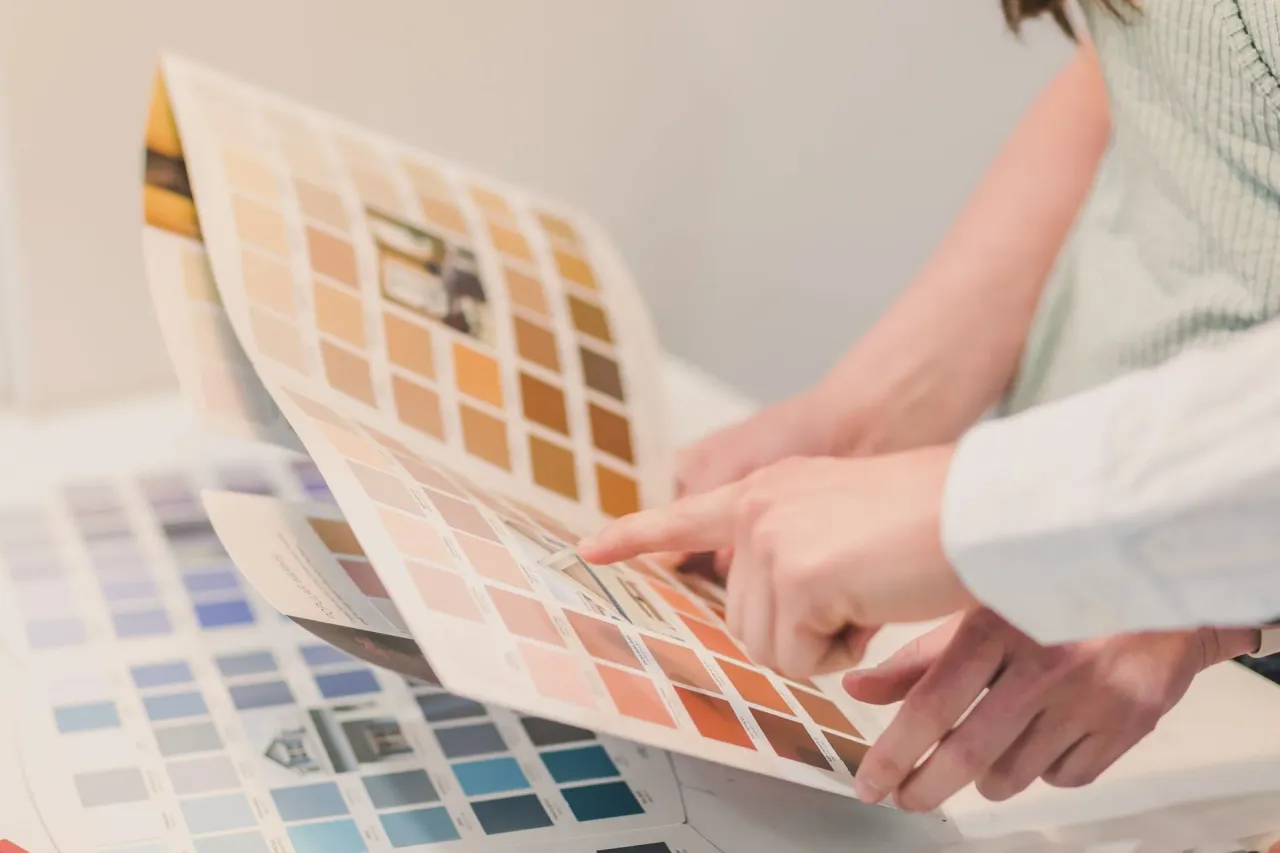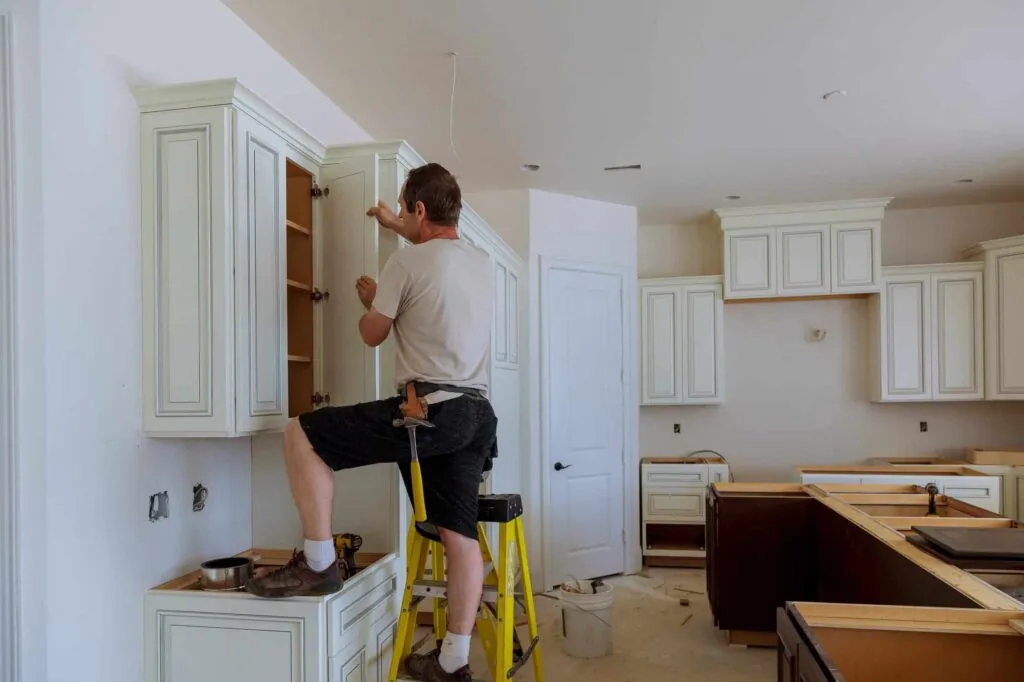

If you've ever wondered why some kitchen makeovers look crisp, smooth, and professionally manufactured while others look streaky or amateurish, the answer is simple: the process matters more than the paint color. Painting cabinets the right way transforms not only the appearance of your kitchen or bathroom but also the durability, cleanability, and long-term performance of the surfaces you touch every day.
Why Cabinet Painting Requires a Professional-Level Process
Most homeowners assume that painting cabinets is similar to painting walls. But cabinet surfaces, especially in kitchens, face far more stress. They're constantly exposed to grease, steam, fingerprints, oils, food splatter, and rapid temperature swings. Most cabinets have low-porosity surfaces that do not allow paint to bond unless properly prepared. Professional-grade cabinet painting in Philadelphia includes degreasing, mechanical abrasion, solvent or bonding primers, high-quality enamel coatings, and a controlled environment for leveling, drying, and curing.
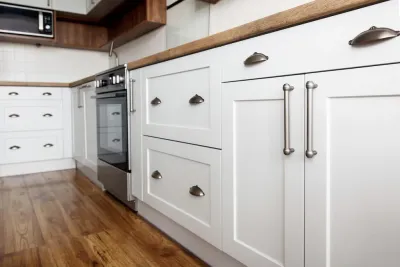
1. Smooth, Brush-Free Finish
A smooth finish is one of the most noticeable improvements when painting cabinets correctly. Professionals use HVLP sprayers or high-density microfiber rollers. Combined with self-leveling enamels like Benjamin Moore Advance or Sherwin-Williams Emerald Urethane, the paint settles smoothly across the surface. This creates a factory-like finish, something impossible to achieve with regular wall paint.
2. A Durable, Chip-Resistant Surface
Cabinets see far more handling than walls. Knobs, handles, corners, and edges get constant impact. Painting cabinets the right way means cleaning with degreasers like TSP or Krud Kutter, applying a bonding primer (Zinsser BIN Shellac or INSL-X STIX), and using enamel formulated to harden over time. Once cured, these coatings resist impact, utensil bumps, moisture, and daily wear.
3. Stain and Moisture Resistance
Kitchens generate moisture, grease, and airborne oils, especially in cold climates like Philadelphia where indoor humidity fluctuates in winter. Painting cabinets correctly seals the substrate, making the finish moisture resistant, grease resistant, and easy to wipe clean. Waterborne alkyds and urethane enamels outperform regular latex because they cure into a harder, less porous film.
4. Even Color and Sheen
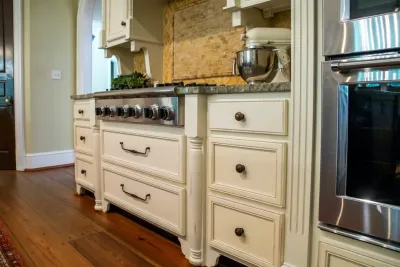
Uneven sheen occurs when paint is applied too thick or without proper sanding. The correct method includes 220–320 grit sanding between coats, 2–3 thin layers of enamel, and adequate dry time. Each step ensures the finish looks uniform and professionally manufactured.
5. No Peeling or Flaking
Peeling is the #1 failure in DIY cabinet painting projects. It usually appears around handles, on edges, near water sources, and inside panels. This happens because most cabinets have slick, sealed surfaces that paint cannot grip without bonding primer. Professional cabinet painters eliminate all risk by deglossing, degreasing, and priming with adhesion-promoting systems.
6. Easy-to-Clean Surfaces
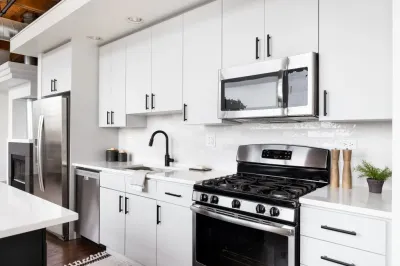
One of the best advantages of painting cabinets professionally is cleanability. Satin or semi-gloss enamel creates a smooth, sealed surface that repels fingerprints, oils, and stains. Homeowners can wipe the cabinet fronts without dulling the finish. This is especially important in kitchens with small children, rental properties, or high-use family homes.
7. Enhanced Kitchen Aesthetics
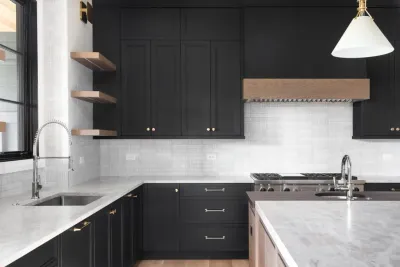
Painting cabinets instantly modernizes a space, especially if the doors are outdated but structurally sound. A consistent, professional finish makes small rooms look larger, brighter, and more organized. When done by experts like Colour Craft Painting, the transformation often looks comparable to a full cabinet replacement.
8. Increased Property Value
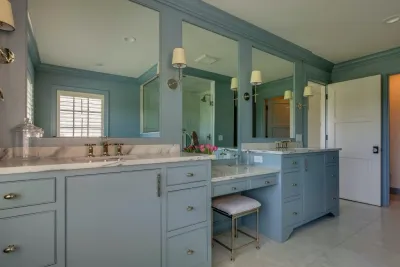
Real estate professionals consistently report that updated cabinetry increases perceived home value. Buyers notice smooth finishes and modern colors immediately. Properly painting cabinets boosts appeal, reduces renovation costs, and improves resale value.
9. Long-Lasting Results
A properly executed cabinet painting system lasts 8–10 years with normal household use. That's because enamel coatings continue curing for weeks after application, becoming harder, smoother, and more chemical resistant. Professionals often recommend 21–30 days of full cure and an optional clear polyurethane topcoat for light colors.
Conclusion
When painting cabinets is done the right way (with proper cleaning, sanding, priming, quality enamel, and careful application), you get smoother finishes, longer durability, improved cleanability, and a dramatic improvement in kitchen aesthetics. For homeowners in Philadelphia, professional cabinet painting from Colour Craft Painting is one of the fastest and most cost-effective ways to upgrade a home. Call (412) 657-8454 for a free estimate.
Related Services & Locations
Ready to Transform Your Home?
Get a free, no-obligation estimate from your local Colour Craft team. Licensed, insured, 2-year warranty.